

Dengue Se Bachao: How to Protect Your Karachi Home in Mosquito Season
Karachi dengue season guide: when the risk peaks, where Aedes mosquitoes breed at home, a room-by-room checklist, symptoms to watch, and what a professional visit adds.
Karachi dengue season guide: when the risk peaks, where Aedes mosquitoes breed at home, a room-by-room checklist, symptoms to watch, and what a professional visit adds.
Khatmal (bed bugs) in Karachi homes: how to identify them, why home remedies fail, what professional treatment involves and how to stop them coming back.

Termites inside walls are one of the most common and most costly pest problems in Karachi homes. They feed on door frames, skirting boards, cupboards, and the cellulose inside the walls for months without a single outward sign, and by the time you notice hollow wood, bubbling paint, or mud tubes, the colony has usually been active for a long time. This guide explains how to tell whether termites are in your walls, why they get there, what actually works to get rid of them, and how to stop them coming back. The short answer: surface sprays and home remedies do not reach the colony, which lives in the soil under and around the building. Getting rid of termites in walls means creating a chemical barrier where they enter, treating the infested wood, and fixing the moisture that attracted them. That is what professional termite treatment does, and it is what our team at Noor Pest Control does for homes and businesses across Karachi. Signs of Termites in Walls Subterranean termites, the most common species in Karachi, live underground and travel up into walls through narrow tunnels. The signs are small and easy to miss, so check for the following: Mud tubes: pencil-thick tunnels of dried mud running up walls, along skirting boards, in car porch corners, or where the foundation meets the soil. Hollow-sounding wood: tap door frames, window frames, and cupboards; damaged wood sounds hollow or papery. Bubbling, peeling, or sunken paint or plaster on the wall, often mistaken for damp. Termite dust or frass: fine powder or tiny pellets below wooden fittings. Doors and windows that suddenly become hard to open because the frames have warped or weakened. Discarded wings: piles of small identical wings near windows, doors, or lights after a swarm, especially after monsoon rain. Tiny holes in wood, wallpaper, or plaster, sometimes with mud packed inside. Break open a mud tube: if you see live, pale, soft-bodied insects inside, the colony is active, not an old trail. Winged termites flying in the evening between late June and September mean a mature colony is close by. Why Termites Get Into Walls in Karachi Karachi’s hot, humid climate and monsoon rains suit termites all year round. A colony can hold hundreds of thousands of workers that feed 24 hours a day, and they need only a hairline crack in a foundation or a gap around a pipe to reach the wall above. Once inside, they follow the moisture. The common causes in Karachi properties are: Damp walls and seepage from leaking pipes, bathrooms, kitchens, or a roof that was never waterproofed. Wood in direct contact with soil, such as door frames set into the floor or timber buried during construction. Old woodwork, plywood cupboards, and wooden flooring that has absorbed moisture. Gaps left after renovation, new plumbing, or electrical work. No anti-termite soil treatment before the house was built, which is very common in older construction. A neighbouring plot, garden, or boundary wall with active termites, which is why even upper-floor flats can get termites. Can You Get Rid of Termites in Walls Yourself? Most homeowners try a spray from the market, orange oil, neem oil, boric acid, kerosene, or vinegar first. These kill the few termites you can see and may scatter the rest, but the colony in the soil is untouched and rebuilds its tunnels within weeks, often in a place that is harder to reach. Repeated home sprays also make a proper treatment more difficult later. Home methods do have a place: fixing leaks, drying out the wall, and removing badly damaged wood all help. But to actually get rid of termites in walls you need a treatment that reaches the colony and creates a barrier they cannot cross, and that requires the right chemical, the right depth, and trained handling. How Professional Termite Treatment for Walls Works Treatment for an existing building is called post-construction termite treatment, and it is done in steps: Inspection: a trained technician checks the whole property, identifies the species, finds mud tubes and entry points, and works out how far the damage has spread. Drill, inject, and seal: small holes are drilled at regular spacing along the junction where the wall meets the floor, along skirting boards, and around door frames and pipe entries. A termiticide solution is injected into each hole so it spreads through the soil and masonry below and forms a continuous chemical barrier. The holes are then sealed and finished neatly. Wood treatment: infested door frames, cupboards, and wooden fittings are treated directly so the termites inside the timber are killed and the wood is protected. Spot treatment of active tubes and galleries where termites are visible. Follow-up: the technician explains what to expect over the coming weeks, and a follow-up check confirms that the activity has stopped. Worker termites pass through the treated zone, carry the chemical back to the colony, and pass it on to the others, so the effect goes far beyond the holes you can see. The treatment is applied by our certified team and is safe for children and pets when you follow the simple advice the technician gives you. For the full service, see our termite control in Karachi page. What to Do Before and After the Treatment Before the visit: Move furniture a little away from the walls that will be treated, and clear the space below cupboards and door frames. Keep children and pets out of the rooms while the work is being done. Point out any leaks, damp patches, or wood you have noticed being damaged. After the treatment: Do not wash or mop the treated junctions for the period your technician advises. Fix the leaks or seepage that were feeding the termites; a wet wall will attract them again. Watch for fresh mud tubes or new dust over the next few weeks and tell us straight away if you see any. Our technician confirms when the rooms can be used again before
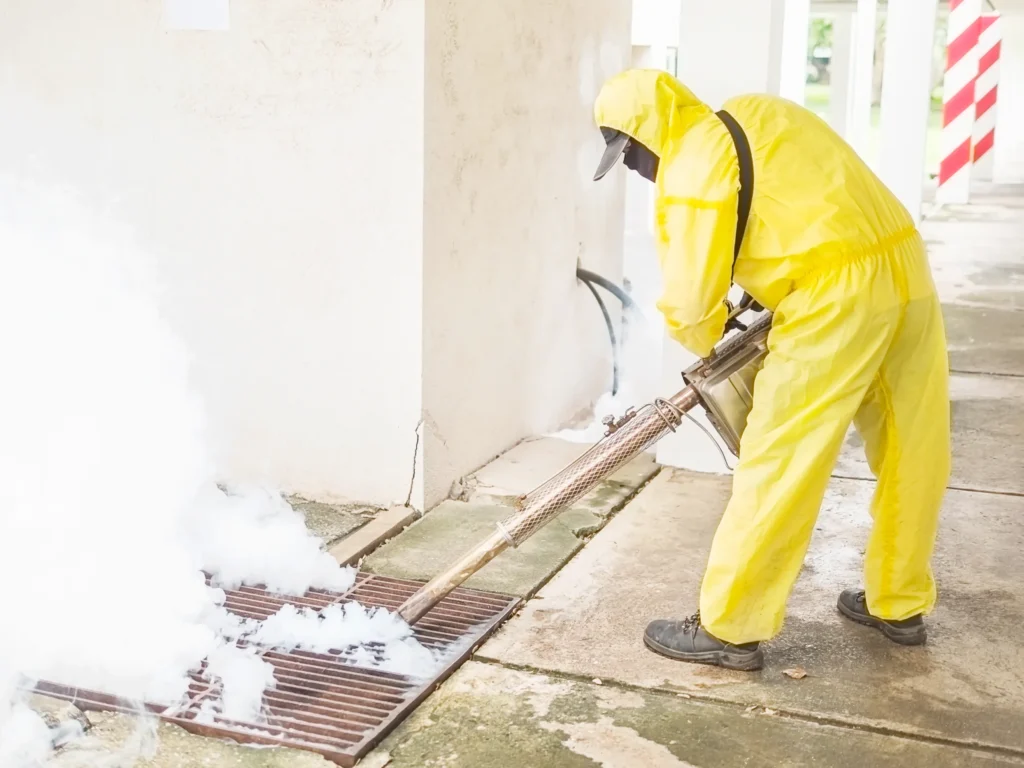
If you live in Karachi, deemak control isn’t a one-time job — it’s an ongoing fight against a climate and construction style that practically invites termites in. This guide walks through why Karachi homes get hit so often, the real treatment methods behind “deemak ka ilaj,” the difference between pre- and post-construction proofing, prevention steps that actually hold up, and the questions homeowners ask most. Why Deemak Is a Serious Problem in Karachi Homes (Climate, Soil & Construction) Karachi’s climate is one of the biggest reasons deemak spreads so fast across the city. The coastal humidity combined with the monsoon season keeps moist soil around building foundations for months, and that dampness is exactly what termite colonies need to survive underground. In areas like DHA, the sandy-clay soil makes it easier for termites to dig underground tunnels toward a house, while local construction patterns — timber-heavy wooden doors, door frames, and ceiling boarding — give them a steady food source the moment they reach the structure. Many abandoned plots and undeveloped properties scattered through Karachi’s newer sectors let deemak colonies establish quietly before spreading into neighboring homes. Older areas such as PECHS and Clifton add another layer of risk because ageing plumbing issues and leaking pipes create continuous moisture near the foundation — and wherever a humid climate meets poor soil composition, termites tend to move in, no matter how new or old the building looks. Chemical Barrier, Baiting, Wood Treatment and Fumigation: Understanding Deemak Ka Ilaj Deemak ka ilaj in Karachi usually starts with a chemical barrier, and the process is more technical than most homeowners expect. Technicians create a subsurface barrier through soil injection — drilling small holes at roughly every 5-foot interval around the property, going down about 18 inches, then applying a diluted solution of professional-grade termiticide to form a protective underground barrier the colony can’t cross. Alongside this, surface treatment with residual chemical is sprayed across wooden structures, and door frame protection is added through multiple injection points at the base of every frame, since doors are usually the first thing deemak reaches. This is the same standard our termite control Karachi service is built around. For homes already showing damage, a baiting system using in-ground stations works differently — it relies on slow monitoring so the colony carries the bait back and collapses from within, often paired with direct wood treatment for badly affected furniture or beams. Some companies also offer drill and inject methods for tighter spaces, or foundation injection as part of a larger structural intervention when the infestation runs deep. Full fumigation is reserved for large-scale infestation where colony elimination has to happen fast, and any company doing this properly should walk you through chemical disclosure and the exact guarantee terms before starting, not after. Pre-Construction vs Post-Construction Termite Proofing Anti-termite proofing applied before construction is widely considered the gold standard for termite prevention — it’s the most effective preventive method because the chemical barrier goes into the soil during foundation installation, before floors and walls seal everything in. Builders working on new construction projects across Karachi are increasingly asked for this step upfront, since it’s far cheaper to treat open soil than to drill through a finished floor later. For existing buildings, the same protection is still possible through a post-construction method that uses the same drilling technique around the plinth and walls — this is essentially retrofitting a barrier the house never got. It costs more and takes longer than treating raw soil, but it still delivers real structural protection and long-term protection when done properly, which is why post-construction treatment remains the most requested service for older Karachi homes that were built without any termite proofing at all. Deemak Control in Karachi: How to Stop It Coming Back Prevention really comes down to controlling moisture and keeping wood away from soil. Fix plumbing leaks as soon as you spot them, avoid wood-to-soil contact by keeping furniture and door frames elevated off bare ground, and never stack firewood or garden debris against an outer wall — all three are easy entry points that deemak exploits within weeks. Good ventilation in crawl spaces and under-stair storage also helps with general humidity control, since dry timber is far less attractive to a colony than damp timber. Beyond that, a simple annual inspection — ideally a professional inspection done post-monsoon when soil moisture is at its highest — catches most problems before they spread. Think of it as a routine checkup: early detection during seasonal maintenance is what actually saves money, because a small patch treated early costs a fraction of full-scale repair later. If you’re not sure whether you already have an active infestation, our earlier post on 5 signs you have termites before it’s too late walks through exactly what to look for before you call anyone. Deemak Ka Ilaj: Frequently Asked Questions How long does deemak ka ilaj actually last? Most professional treatment isn’t a strict one-time solution — treatment duration depends heavily on the moisture level around your home and whether an early infestation was caught before it spread, so ask any company for their exact guarantee period in writing rather than a verbal number. Before agreeing to anything, a proper site survey should always come first — this is where infestation severity gets assessed room by room, and it’s the only honest way to reach a real cost estimate instead of a guess over the phone. What if the damage is already visible? For homes with real structural damage — sagging skirting, hollow beams, damaged door frames — the application method changes, treatment takes longer, and repair cost for the wood itself needs to be budgeted separately from the pest treatment. There’s no fixed timeline that fits every house; a single-room case can sometimes be sorted in a day, while a spread infestation across multiple floors needs several visits, which is exactly why a proper survey matters more than guessing at how bad it is from
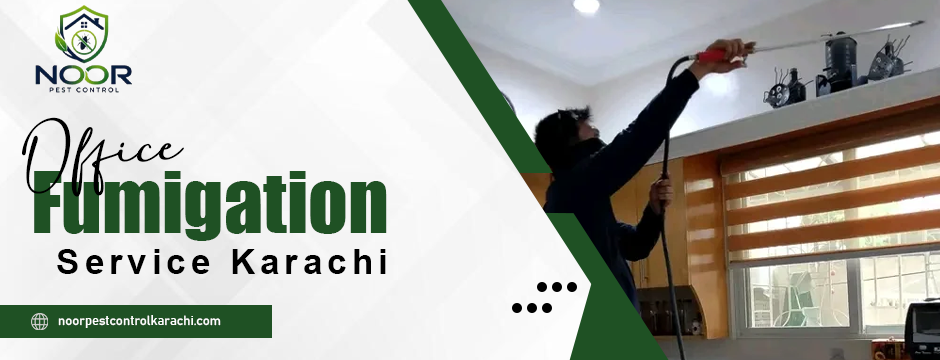
Pest activity in an office rarely stays limited to the area where employees first notice it. Cockroaches can move between kitchens, washrooms, storage rooms and service areas. Rodents can travel through ceiling voids, utility routes and poorly sealed openings. Insects may also spread through shared storage spaces, waste areas and adjoining rooms. This is why treating only the location where pests are visible often produces short-term results. A proper commercial treatment starts with understanding how pests move through a building, where they hide during the day, and which areas create conditions for continued activity. For businesses considering Office Fumigation service Karachi, the treatment plan should therefore be based on the building’s layout, pest activity, access points, sanitation conditions and the areas connected to the infestation. The objective is not simply to treat visible pests, but to address the locations that allow the infestation to survive and spread. How Pest Activity Moves Through an Office Office buildings contain many connected spaces that provide shelter, food, moisture and movement routes for pests. Even when employees see pests in only one room, the source may be located elsewhere. For example, cockroach activity near an office pantry may be connected to a waste-storage area, drainage point or adjoining service room. Similarly, rodent activity in a storeroom may be associated with gaps around pipes, doors, ceilings or external walls. Common movement routes include: The larger the office, the more important it becomes to map these connected areas before treatment begins. Why Visible Pest Activity Does Not Show the Full Problem Pests generally avoid open, busy areas when people are present. They tend to remain hidden in dark, warm, damp or undisturbed locations and become more active when the workplace is quiet. This creates a common problem for office managers. A building may appear clean during working hours while pest activity continues inside concealed spaces. Visible cockroaches around a pantry, for example, may represent only a small part of the infestation. The main population could be located behind cabinets, under appliances, around drainage points or inside nearby storage areas. The same principle applies to rodents. Seeing one rat does not necessarily mean that only one animal is present. It may indicate access to food, shelter or a route into the building. For this reason, professional inspection should consider both where pests are being seen and where they could be hiding or travelling. Treatment Zone 1: Kitchens, Pantries and Food Areas Office kitchens and pantries are among the first areas that should be assessed because they provide food, water and shelter. Crumbs, food waste, leaking taps, damp surfaces, poorly stored food and waste bins can all contribute to pest activity. Appliances and cabinets can also create concealed spaces that are difficult to inspect during normal cleaning. A treatment plan for these areas should consider: The treatment should also be coordinated with the office’s cleaning and food-handling practices. Pest control in Karachi cannot provide lasting results if conditions continue to provide easy access to food and water. Treatment Zone 2: Washrooms and Plumbing Areas Washrooms deserve separate attention because plumbing systems can create routes between different parts of a building. Moisture, drainage openings, pipe penetrations and concealed gaps can support pest activity. These areas may also connect individual rooms to service spaces that employees rarely enter. During an inspection, technicians should look at: If pest activity is associated with these areas, simply treating the room where pests are visible may not address the conditions supporting the infestation. Treatment Zone 3: Storage Rooms and Archives Storage areas are often overlooked because they receive less daily foot traffic. That makes them attractive hiding places for pests. Cardboard boxes, paper products, old furniture, unused equipment and tightly packed materials can create sheltered areas where pests remain undisturbed. Office archives can present a similar problem. Stored documents and boxes may block visibility and make it difficult to identify pest activity until signs such as droppings, damaged materials or insects become noticeable. For these spaces, treatment planning should include: Storage areas should not automatically be treated in exactly the same way as occupied workspaces. The treatment approach should account for what is stored there and how the space is used. Treatment Zone 4: False Ceilings and Service Voids False ceilings can provide concealed routes between rooms and floors. Electrical installations, ventilation systems, pipes and structural openings can create additional movement paths. These spaces are particularly important when pest signs appear in multiple rooms without an obvious connection at floor level. A professional inspection may need to consider: Access to these areas should be handled carefully, particularly in offices containing electrical equipment or sensitive installations. Treatment Zone 5: Waste and Disposal Areas Waste areas can become major sources of pest activity if food waste and other organic material remain accessible. The problem may not be inside the main office at all. Pests can enter from an external waste-storage area and move toward kitchens, pantries and internal storage rooms. Treatment planning should therefore consider: Improving waste management and cleaning schedules alongside professional treatment can help reduce the conditions that attract pests. Treatment Zone 6: Electrical, Utility and Service Areas Utility rooms and service areas are often quiet and relatively undisturbed. They may contain equipment, pipework, wiring and structural gaps that provide shelter or movement routes. These areas should be assessed when there are signs of pest activity near electrical installations, utility rooms or building service routes. Treatment around equipment must be planned carefully. Technicians should identify which areas can be treated directly and which require alternative treatment methods or preparation before work begins. Treatment Zone 7: External Entry Points An office can receive a new pest population from outside even after an internal infestation has been treated. Common entry points include: This is why an office treatment plan should not stop at the interior rooms. External access points can determine whether the same problem returns. How to Divide an Office Into Treatment Zones A commercial property should be assessed as a connected environment rather
Pests are a year-round concern for homeowners and businesses, but their behavior changes significantly with the seasons. Weather conditions such as heat, humidity, rainfall, and cooler temperatures directly influence where pests live, how they reproduce, and how actively they search for food and shelter. Understanding these seasonal patterns can help property owners take preventive measures before infestations become difficult to manage. Pest Control in Korangi becomes especially important because the area’s changing climate creates favorable conditions for different types of pests throughout the year. Why Weather Has a Direct Impact on Pest Activity Pests are highly sensitive to environmental conditions. Unlike humans, they cannot regulate their body temperature efficiently, so they rely on external conditions to survive. Changes in temperature and moisture levels often determine whether pests remain hidden, multiply rapidly, or invade homes and commercial properties. Warmer temperatures generally accelerate breeding cycles, while excessive rainfall forces insects and rodents to seek dry shelter indoors. During cooler months, many pests move inside buildings where food, warmth, and water are readily available. This seasonal movement explains why different pest problems appear at different times of the year. Understanding these patterns allows property owners to prepare in advance rather than reacting after an infestation has already developed. Pest Problems During the Summer Summer is one of the busiest seasons for pest activity. High temperatures speed up insect metabolism, allowing many species to reproduce faster than usual. Common summer pests include: Cockroaches Mosquitoes Ants Flies Termites Standing water left after cleaning, leaking pipes, or outdoor containers becomes an ideal breeding ground for mosquitoes. Food crumbs, uncovered garbage bins, and warm kitchens attract cockroaches and ants, while termites remain active in wooden furniture and structural timber. Regular inspections, proper sanitation, and moisture control can significantly reduce the chances of infestations during the hottest months. Monsoon Season Brings New Challenges Rainfall changes pest behavior dramatically. Heavy rains often flood underground nests, forcing insects and rodents to move into residential and commercial buildings. Rodents begin searching for dry shelter, while cockroaches migrate through drainage systems into kitchens and bathrooms. Increased humidity also creates excellent conditions for mold, which attracts various insects. Scheduling Pest Control Services in Korangi before or during the rainy season helps reduce the likelihood of sudden infestations caused by changing environmental conditions. Property owners should also ensure that drains remain unclogged, roof leaks are repaired promptly, and water does not collect around the building. Increased Mosquito Activity During Humid Months Humidity plays a major role in mosquito breeding. Even small amounts of stagnant water can become breeding sites within a few days. Water may collect in: Flower pots Air conditioner trays Water tanks Buckets Construction materials Roof gutters Mosquitoes are more than just a nuisance. They are known carriers of several diseases that become more common during humid weather. Preventive measures include eliminating standing water, installing window screens, and maintaining outdoor spaces regularly. Cooler Weather Does Not Mean Fewer Pests Many people assume pest problems disappear during cooler months, but this is rarely true. Instead of remaining outdoors, pests often seek warmer indoor environments. Rodents enter buildings through small gaps around doors, windows, and utility pipes. Cockroaches hide inside kitchens, storage rooms, and bathrooms where warmth and moisture remain available. This seasonal migration makes Pest Control in Korangi an important preventive step rather than simply a response to visible pest problems. Early inspections during changing weather can prevent pests from establishing long-term colonies inside buildings. Seasonal Impact on Termite Activity Termites remain active throughout much of the year, although their behavior changes with environmental conditions. Warm weather encourages colony growth, while increased soil moisture after rainfall allows subterranean termites to travel more easily beneath buildings. Signs of termite activity may include: Hollow-sounding wooden furniture Mud tubes along walls Damaged wooden doors Bubbling paint Small piles of discarded wings Routine inspections can detect termite activity before structural damage becomes extensive. Why Prevention Is Better Than Treatment Waiting until pests become visible often means the infestation has already grown significantly. Preventive maintenance provides several advantages: Lower treatment costs Reduced property damage Better hygiene Improved indoor comfort Lower health risks Simple habits like sealing food containers, repairing plumbing leaks, cleaning drains, and disposing of garbage properly make buildings less attractive to pests throughout the year. Seasonal inspections also allow early identification of entry points that pests commonly use. Importance of Professional Fumigation Some infestations become too widespread for basic household methods to solve effectively. In such situations, professional fumigation may be recommended depending on the type and severity of the infestation. Many residential and commercial property owners choose Fumigation Services in Korangi Karachi when dealing with severe pest problems affecting large spaces or repeated infestations. Professional fumigation reaches hidden areas that are difficult to access using ordinary sprays or traps, helping reduce pest populations more comprehensively. Safe Treatment Should Always Be a Priority Modern pest management focuses not only on eliminating pests but also on protecting people, pets, and the surrounding environment. Choosing Certified & Safe Fumigation methods helps ensure that treatments follow recognized safety standards and use products that are applied responsibly by trained professionals. Property owners should always follow the recommended safety instructions before and after any treatment to achieve the best possible results while minimizing unnecessary exposure. Practical Tips for Every Season Regardless of the season, consistent maintenance remains the most effective defense against pest infestations. Some useful practices include: Keep kitchens clean after every meal. Store food in airtight containers. Repair leaking pipes immediately. Remove standing water from outdoor areas. Trim vegetation touching exterior walls. Empty garbage bins regularly. Seal cracks around windows and doors. Inspect wooden furniture periodically. Clean storage rooms and basements frequently. Schedule regular property inspections. These preventive measures reduce the availability of food, water, and shelter that pests require to survive. When Should You Schedule Seasonal Pest Inspections? Many infestations begin long before visible signs appear. Scheduling inspections before seasonal transitions allows potential problems to be identified early. Recommended inspection periods include: Before summer begins Prior
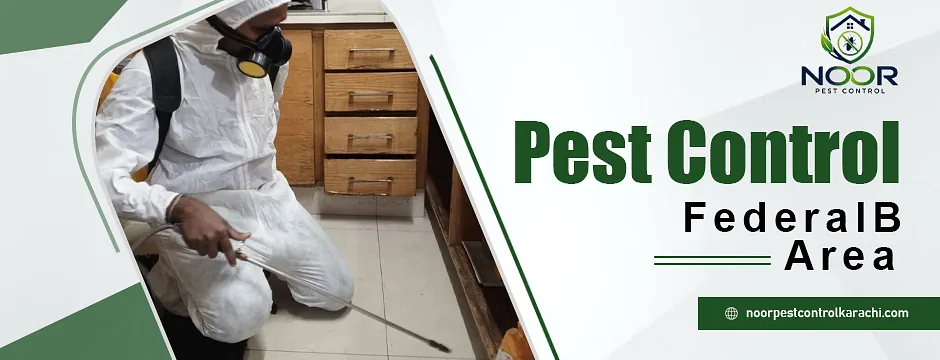
Pests rarely become a serious problem overnight. Most infestations begin quietly, with small warning signs that are easy to overlook. By the time insects or rodents become visible during the day, they have often established nests, multiplied, and spread throughout the property. Delaying treatment can increase repair costs, create health risks, and make pest removal more complicated. For homeowners, tenants, and property managers, identifying the early indicators of an infestation is the first step toward protecting the home. Whether it is cockroaches hiding behind kitchen cabinets, termites damaging wooden structures, rodents nesting in storage spaces, or mosquitoes breeding around standing water, timely action can prevent a minor issue from becoming a major one. If you are searching for Pest Control Federal B Area, understanding these warning signs will help you determine when professional intervention is necessary. 1. You Notice Pests During the Day Many household pests are naturally nocturnal. Cockroaches, rodents, and certain insects usually remain hidden during daylight hours and become active after dark. If you regularly see cockroaches in your kitchen during the day or notice rats moving around your property in broad daylight, it often indicates that the infestation has reached a level where hiding spaces have become overcrowded. Common examples include: These signs suggest that the pest population has grown beyond a manageable level and requires professional treatment. Professional Pest Control Services in Federal B Area focus on locating nesting sites, identifying breeding sources, and eliminating the infestation rather than treating only the visible pests. 2. Unexplained Damage Around Your Home Many pests cause gradual damage before homeowners realize they are present. Look for signs such as: Rodents continuously chew to keep their teeth from overgrowing. This habit can damage wiring and increase the risk of electrical fires. Termites work differently. They consume wood from the inside, making furniture and structural components appear normal until significant damage has already occurred. Scheduling Pest Control Federal B Area services as soon as these signs appear can help prevent costly structural repairs. 3. Droppings, Grease Marks, or Strange Odours One of the most reliable indicators of pest activity is the presence of waste left behind. Rodent droppings are commonly found: Cockroaches leave tiny black droppings that resemble coffee grounds or black pepper. Rodents also leave grease marks because their bodies repeatedly brush against walls while following established pathways. Another common warning sign is an unpleasant odour. A persistent musty smell can indicate cockroach activity, while rodents often produce a strong ammonia-like smell due to accumulated urine. These signs should never be ignored because they indicate active pest movement within the property. 4. Scratching or Movement Sounds Inside Walls If you hear scratching, scurrying, or movement inside ceilings or walls, pests may already be nesting inside your home. These noises are often heard: Rodents frequently build nests inside wall cavities where they remain hidden while damaging insulation and electrical wiring. Ignoring these sounds allows colonies to grow larger, making removal more difficult. Professional inspections help identify nesting locations that cannot be accessed without specialized equipment. 5. Frequent Insect Sightings Despite DIY Treatments Many homeowners attempt to control pests using sprays purchased from local stores. While these products may kill visible insects, they rarely eliminate: For example, spraying cockroaches that appear on the kitchen floor does not address the hundreds of insects hiding behind cabinets or beneath appliances. Similarly, mosquito sprays only affect adult mosquitoes and do not remove breeding sites. If pests continue returning after repeated DIY treatments, professional Pest Control Karachi services become the most practical solution. Experienced technicians identify the root cause instead of treating only the visible symptoms. 6. Visible Signs of Termite Activity Federal B Area contains a mix of older residential properties and commercial buildings where termite activity can become a serious concern. Early signs include: Subterranean termites often travel through mud tubes to reach wooden structures while remaining hidden from view. Unfortunately, many homeowners discover termites only after significant structural damage has already occurred. Routine inspections help detect termite colonies before expensive repairs become necessary. Professional treatment also creates protective barriers that reduce the likelihood of future infestations. 7. Increasing Mosquitoes, Flies, or Other Flying Insects An increase in flying insects often indicates a nearby breeding source. Mosquitoes commonly breed in: Flies may indicate: During Karachi’s warmer months, mosquito populations increase rapidly, raising concerns about mosquito-borne diseases. Professional inspections identify breeding areas that homeowners frequently overlook. In cases involving severe infestations, a Fumigation Service in Federal B Area Karachi may be recommended depending on the pest species and the extent of the infestation. Professional fumigation targets pests throughout the property while helping reduce hidden populations that conventional surface treatments may not reach. Why Early Pest Control Saves Money Many homeowners delay pest control because the infestation appears manageable. However, waiting often increases both treatment complexity and repair costs. Early intervention helps: Routine inspections are generally far less expensive than repairing termite damage, replacing contaminated food, or restoring electrical systems damaged by rodents. Common Pests Found in Federal B Area Homes Every neighbourhood has unique environmental conditions that influence pest activity. Federal B Area experiences pest issues throughout the year due to residential density, food establishments, drainage systems, and changing weather conditions. Common pests include: Each pest requires a different treatment strategy. Applying a single solution to every infestation rarely produces long-term results. This is why Expert Pest Control Services in Federal B. Industrial Area and nearby residential communities focus on proper inspection, pest identification, targeted treatment, and preventive measures rather than relying on temporary fixes. How Professional Pest Control Makes a Difference Professional pest management involves much more than applying pesticides. A comprehensive service typically includes: This systematic approach helps eliminate existing infestations while reducing the likelihood of recurring pest problems. Why Choose Noor Pest Control Karachi At Noor Pest Control Karachi, we understand the pest challenges faced by homeowners and businesses across Federal B Area and surrounding neighbourhoods. Our team provides safe, effective, and professionally managed pest control solutions tailored to

Pests are more than just an inconvenience. They can damage property, contaminate food, spread harmful bacteria, and create an unhealthy living or working environment. Whether it is cockroaches in the kitchen, termites damaging wooden structures, mosquitoes carrying diseases, or rodents invading storage areas, effective pest management is essential for maintaining a safe property. Choosing Safe & Certified Pest Control in Karachi is one of the most reliable ways to ensure that pest problems are handled safely, professionally, and in accordance with recognized industry standards. By working with qualified professionals who use certified methods and products, property owners can enjoy long-lasting protection while reducing potential risks to their families, employees, and the environment. Why Certified Products and Trained Applicators Matter Proper certification is an important indicator that a pest control provider follows established regulations and uses products that meet safety and quality standards. Pest management involves the application of chemicals, specialized equipment, and treatment methods that require proper handling and technical knowledge. Professional technicians are trained to assess the severity of infestations, identify the type of pests involved, and select treatments that are suitable for specific situations. This careful approach helps reduce unnecessary chemical use while improving the effectiveness of each treatment. Choosing a service that follows recognized guidelines also provides greater peace of mind, knowing that treatments are performed responsibly and with consideration for people, pets, and the surrounding environment. 1. Safe Treatment for Families and Pets One of the biggest advantages of professional pest management is safety. Modern pest control methods are designed to minimize exposure while effectively targeting pests. Qualified technicians understand how to apply treatments in the correct locations, use the appropriate quantities, and provide clear instructions for any necessary precautions after treatment. This significantly reduces unnecessary risks and ensures that homes remain safe for children, elderly family members, and pets. Using certified products according to recommended procedures also supports better environmental responsibility. 2. Effective Elimination of Common Pests Different pests require different treatment methods. A solution that works for cockroaches may not be effective for termites, rodents, or bed bugs. Professional pest control begins with a thorough inspection to determine: After identifying these issues, technicians create a targeted treatment plan rather than relying on one-size-fits-all solutions. Choosing Safe & Certified Pest Control in Karachi helps ensure that treatments are based on proper inspection, technical knowledge, and certified pest management practices rather than temporary fixes. 3. Long-Term Prevention Instead of Temporary Relief Many people try DIY sprays or over-the-counter products when they first notice pests. While these products may eliminate visible insects, they often fail to address the root cause of the infestation. Professional pest control focuses on long-term prevention by: This comprehensive approach helps reduce the likelihood of recurring infestations and minimizes future pest-related expenses. 4. Compliance with Safety Standards Professional pest management companies that follow industry safety guidelines operate according to recognized health and safety practices. These standards often include: Property owners benefit from knowing that treatments are performed according to accepted safety protocols rather than unsafe or unregulated practices. 5. Protection Against Property Damage Certain pests cause extensive structural damage before they become visible. For example: Professional inspections help detect these problems early, reducing repair costs and preventing larger infestations from developing. Regular Pest Control Karachi is an important part of protecting residential and commercial properties from avoidable damage caused by persistent pest activity. 6. Better Health Protection Many pests carry bacteria, viruses, and allergens that may affect human health. Common examples include: Removing these pests contributes to a healthier indoor environment and supports improved hygiene for families, employees, customers, and visitors. Professional pest control also helps reduce allergic reactions associated with pest droppings, shed skin, and other contaminants. 7. Customized Solutions for Every Property Every building is different. Factors such as construction style, surrounding vegetation, moisture levels, waste management, and occupancy all influence pest activity. Professional technicians evaluate these factors before recommending treatment options. Rather than applying identical solutions everywhere, they customize treatment plans according to the property’s specific needs. This personalized approach makes Safe & Certified Pest Control in Karachi a more dependable choice for homes, offices, restaurants, warehouses, educational institutions, and healthcare facilities. 8. Professional Equipment and Modern Techniques Experienced pest control professionals use equipment that is generally not available for household use. This may include: Using professional tools improves treatment accuracy while reducing unnecessary chemical application. Technicians also stay informed about updated pest management techniques and evolving safety recommendations, allowing them to deliver more effective results. 9. Reliable Fumigation for Serious Infestations Some infestations require more comprehensive treatment methods than standard spraying or baiting. In such situations, professional Fumigation Services can provide a controlled solution for eliminating widespread pest activity in large buildings, storage facilities, commercial spaces, or heavily infested properties. These treatments should always be carried out by trained professionals who follow proper safety procedures before, during, and after the fumigation process. 10. Quick Response During Urgent Situations Certain pest problems require immediate attention. Examples include: In these situations, timely action can prevent the problem from becoming significantly worse. Access to Emergency Pest Control in Karachi allows property owners to receive prompt assistance when urgent pest issues threaten health, business operations, or property safety. 11. Cost-Effective in the Long Run Although some people hesitate to hire professional services because of initial costs, professional pest management often saves money over time. Early intervention helps prevent: Repeated DIY treatments can become expensive while delivering only temporary relief. Professional treatment addresses the source of infestations, reducing the need for repeated applications and lowering long-term costs. 12. Greater Peace of Mind Perhaps one of the greatest benefits of professional pest control is confidence. Knowing that experienced technicians have properly inspected, treated, and monitored a property allows homeowners and business owners to focus on daily life instead of constantly worrying about recurring pest problems. Routine inspections and preventive maintenance further strengthen long-term protection while supporting healthier living and working environments. Choosing Safe & Certified Pest Control in Karachi provides reassurance that treatments are
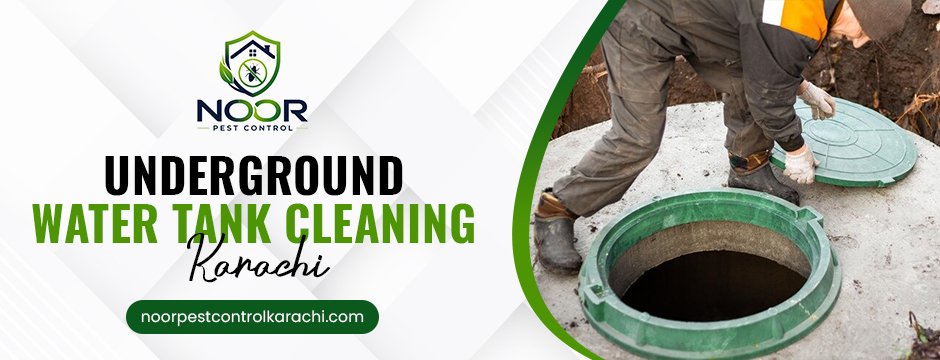
Clean water is essential for every household, workplace, school, hospital, and commercial property. While most people pay attention to the quality of the water they receive, many overlook the condition of the storage tank itself. Underground water tanks are designed to store large quantities of water safely, but without regular maintenance they can become a breeding ground for sludge, algae, bacteria, and other harmful contaminants. Underground water tank cleaning in Karachi plays a vital role in maintaining a safe water supply, protecting public health, and ensuring that stored water remains suitable for everyday use. Why Underground Water Tanks Become Dirty Unlike overhead tanks, underground water tanks are hidden from view, making it easy to forget about their maintenance. Over time, fine sand, dust, rust particles, leaves, insects, and other debris enter the tank through water supply lines or damaged covers. These contaminants gradually settle at the bottom, forming a thick layer of sludge. Moist conditions inside the tank also encourage the growth of algae, mould, and harmful microorganisms. If the tank is not cleaned regularly, these contaminants can spread throughout the plumbing system, affecting the quality of water used for drinking, cooking, bathing, and cleaning. Common Contaminants Found in Underground Water Tanks Several types of pollutants can accumulate inside an underground water tank over time. Some are visible, while others remain hidden but still pose serious health risks. Common contaminants include: These impurities reduce water quality and may create unpleasant odours, discolouration, and potential health concerns if left untreated. The Dangers of Sludge Build-Up Sludge is one of the most common problems in underground tanks. It develops slowly as sediments settle on the base of the tank after every refill. Although the layer may appear harmless at first, it eventually becomes thick enough to affect the entire water storage system. Sludge creates an ideal environment for bacterial growth and can interfere with water flow. During periods of high demand or heavy water usage, settled particles may become disturbed and mix with the stored water, resulting in cloudy or dirty water reaching household taps. Regular underground water tank cleaning in Karachi helps remove accumulated sludge before it becomes a serious problem, ensuring cleaner and healthier stored water. How Algae Affects Water Quality Algae thrive in damp environments where nutrients are present. Although underground tanks receive less sunlight than overhead tanks, algae can still develop due to contaminated water, damaged tank covers, or moisture entering through small openings. Algae can: Removing algae requires more than simply draining the tank. The interior surfaces must be scrubbed thoroughly before proper sanitisation is carried out to eliminate any remaining spores. Harmful Bacteria and Their Health Risks Bacteria are microscopic organisms that multiply rapidly in dirty water storage systems. While many are harmless, certain harmful bacteria may contribute to stomach illnesses, skin irritation, diarrhoea, vomiting, and other waterborne infections. Children, elderly individuals, and people with weakened immune systems are particularly vulnerable to contaminated water. Professional cleaning and disinfection remove bacteria from tank surfaces while reducing the risk of future contamination. Routine maintenance also prevents bacteria from multiplying between cleaning intervals. Why Professional Cleaning Matters Cleaning an underground water tank is not simply a matter of emptying the water. A professional cleaning process involves careful inspection, sludge removal, scrubbing, pressure cleaning where required, sanitisation, rinsing, and a final quality check. Professional cleaning offers several advantages: Choosing experienced professionals ensures that the cleaning process is completed safely and efficiently using suitable equipment and hygienic methods. The Professional Cleaning Process A systematic cleaning procedure delivers far better results than basic washing. The typical process includes: This complete process restores the cleanliness of the tank and improves the quality of stored water. Benefits of Regular Cleaning Regular underground water tank cleaning in Karachi offers numerous long-term benefits for both residential and commercial properties. These include: Routine maintenance is far more cost-effective than dealing with contamination or expensive repairs caused by neglect. How Often Should Underground Water Tanks Be Cleaned? Cleaning frequency depends on several factors, including water quality, local environmental conditions, tank size, and usage levels. For most residential properties, cleaning every three to six months is considered good practice. Commercial facilities with higher water consumption may require more frequent maintenance to meet hygiene standards. Regular inspections can also help identify early signs of contamination before they become major problems. Homes Benefit from Cleaner Water Storage Families rely on stored water every day for drinking, cooking, bathing, washing clothes, and cleaning the home. Dirty water storage can expose household members to unnecessary health risks. Home Water Tank Cleaning in Karachi helps homeowners maintain hygienic water storage, reduce contamination, and ensure that every member of the household has access to cleaner water throughout the year. Preventive maintenance also reduces the likelihood of unpleasant surprises such as foul-smelling water or visible sediment coming through household taps. Supporting Health in Residential Communities Apartment buildings, housing societies, and residential complexes often depend on large underground storage tanks to supply multiple families. Because these tanks serve many people, regular maintenance becomes even more important. Residential Water Tank Cleaning in Karachi supports healthier living environments by reducing the build-up of contaminants that may affect dozens or even hundreds of residents using the same water supply. Proper maintenance also helps building managers meet hygiene expectations while improving the reliability of their water systems. Maintaining High Standards in Commercial Properties Commercial buildings often consume significantly more water than residential properties. Offices, restaurants, hotels, hospitals, educational institutions, shopping centres, and factories all depend on clean water for daily operations. Commercial Water Tank Cleaning in Karachi helps businesses maintain sanitary conditions, protect employees and visitors, and support compliance with hygiene standards expected in professional environments. Clean water storage also contributes to a positive reputation by demonstrating a commitment to health and cleanliness. Choosing Reliable Water Tank Maintenance Selecting a professional service provider involves more than comparing prices. Property owners should look for trained technicians, modern equipment, safe cleaning practices, and a structured cleaning process. Reliable Water Tank Cleaning Services
Pest infestations can create serious problems beyond everyday nuisance. They have the potential to damage buildings, contaminate food supplies, spread harmful diseases, and compromise the health and hygiene of both residential and commercial spaces. Whether you manage a home, office, warehouse, restaurant, or industrial facility, implementing effective pest control measures is essential for maintaining a clean, safe, and comfortable environment. Hiring a professional Fumigation Service in Karachi is one of the most reliable ways to eliminate hidden pest infestations and protect your property from future problems. Professional fumigation reaches areas that ordinary pest control methods often miss, providing a more comprehensive and long-lasting solution. 1. Complete Elimination of Hidden Pests One of the greatest advantages of professional fumigation is its ability to eliminate pests hiding in difficult-to-reach places. Insects and other pests often nest inside wall cavities, ceilings, storage spaces, furniture, and cracks where traditional surface treatments cannot reach. Professional fumigation uses specialised treatment methods that penetrate enclosed spaces, helping to eliminate pests at every stage of their life cycle. This significantly reduces the chances of an infestation returning shortly after treatment. 2. Protects Health and Hygiene Many pests carry harmful bacteria, viruses, and allergens that can affect human health. Cockroaches, rodents, bed bugs, termites, and stored product insects may contaminate food, surfaces, and living spaces. Professional fumigation helps reduce these health risks by eliminating pest populations before they become a serious concern. A cleaner environment contributes to improved hygiene, making homes and workplaces safer for occupants, visitors, and employees. 3. Prevents Costly Property Damage Certain pests can cause significant structural and financial damage if left untreated. Termites can weaken wooden structures, rodents may chew electrical wiring, and insects can destroy stored products and packaging materials. Scheduling a professional Fumigation Service in Karachi allows property owners to address infestations early, helping to avoid expensive repairs and long-term damage. Preventive treatment is often far more affordable than dealing with the consequences of an unchecked infestation. 4. Suitable for Residential and Commercial Properties Professional fumigation is not limited to residential homes. It is an effective pest management solution for a wide range of properties, including: Each property has unique pest challenges, and professional technicians can tailor treatments to suit the specific environment and level of infestation. 5. Helps Protect Stored Goods Businesses that store food products, raw materials, documents, textiles, or packaged goods are particularly vulnerable to pest infestations. Even a small number of insects can contaminate large quantities of stock and lead to financial losses. Professional fumigation protects stored items by eliminating hidden insects before they spread throughout storage areas. This is especially important for warehouses and commercial storage facilities where pest activity can quickly escalate if left untreated. 6. Safe When Performed by Professionals Modern fumigation methods are designed with safety in mind. Certified professionals follow strict industry guidelines, use certified treatment products, and provide clear instructions before and after the fumigation process. Choosing experienced Fumigation Services ensures treatments are carried out responsibly while minimising risks to occupants, pets, and the surrounding environment. Professional application also helps achieve better results than attempting pest control without the necessary expertise. 7. Saves Time and Effort Managing a pest infestation without professional assistance can be time-consuming and frustrating. Many over-the-counter products provide only temporary relief because they target visible pests rather than hidden colonies. Professional pest control specialists have the knowledge, equipment, and experience needed to identify the source of the infestation and apply the most effective treatment. This saves property owners valuable time while delivering more dependable results. 8. Long-Term Pest Prevention Professional fumigation is not simply about eliminating existing pests. It also helps reduce the likelihood of future infestations through thorough inspection, targeted treatment, and practical prevention advice. Many pest control professionals identify conditions that encourage pest activity, such as moisture issues, entry points, poor storage practices, or structural gaps. Addressing these factors alongside treatment provides more sustainable pest management. If you are searching for the best fumigation service in Karachi, it is worth choosing experienced professionals who conduct detailed inspections and recommend preventive measures as part of their service. 9. Supports Business Reputation For commercial establishments, maintaining a pest-free environment is essential for protecting customer confidence and business reputation. Restaurants, hotels, healthcare facilities, retail outlets, and offices are expected to maintain high standards of cleanliness and hygiene. Visible pest activity can negatively affect customer trust, employee satisfaction, and even regulatory compliance. Professional Fumigation Service in Karachi helps businesses maintain a cleaner environment, reduce operational disruptions, and demonstrate their commitment to health and safety. A proactive approach to pest management can also minimise the risk of unexpected closures, damaged inventory, and costly complaints. 10. Provides Peace of Mind Perhaps one of the most valuable benefits of professional fumigation is the peace of mind it offers. Knowing that trained specialists have thoroughly inspected and treated your property allows you to focus on your daily activities without worrying about recurring pest problems. Professional services are designed to address infestations efficiently while offering guidance on maintaining a pest-free environment in the future. This combination of effective treatment and expert advice makes professional fumigation a worthwhile investment for both homeowners and businesses. How Often Should Fumigation Be Considered? The frequency of fumigation depends on several factors, including the type of property, the level of pest activity, surrounding environmental conditions, and the nature of the business. Residential properties may only require treatment when signs of infestation appear or as part of preventive maintenance. Commercial premises, warehouses, restaurants, and food storage facilities often benefit from scheduled inspections and routine pest management programmes to minimise the risk of infestations. Early detection and timely treatment are always more effective than waiting until pest activity becomes severe. Choose Noor Pest Control for Safe, Reliable & Professional Fumigation When you need dependable pest control solutions, Noor Pest Control is here to help. We provide professional fumigation services for homes, offices, warehouses, restaurants, and commercial properties across Karachi. Our experienced team uses safe, certified and low-odour treatment methods to eliminate hidden
Expert treatment by certified professionals. Same-day visits for most bookings. Child & pet safe with simple after-care.