Pest activity in an office rarely stays limited to the area where employees first notice it. Cockroaches can move between kitchens, washrooms, storage rooms and service areas. Rodents can travel through ceiling voids, utility routes and poorly sealed openings. Insects may also spread through shared storage spaces, waste areas and adjoining rooms.
This is why treating only the location where pests are visible often produces short-term results. A proper commercial treatment starts with understanding how pests move through a building, where they hide during the day, and which areas create conditions for continued activity.
For businesses considering Office Fumigation service Karachi, the treatment plan should therefore be based on the building’s layout, pest activity, access points, sanitation conditions and the areas connected to the infestation. The objective is not simply to treat visible pests, but to address the locations that allow the infestation to survive and spread.
How Pest Activity Moves Through an Office
Office buildings contain many connected spaces that provide shelter, food, moisture and movement routes for pests. Even when employees see pests in only one room, the source may be located elsewhere.
For example, cockroach activity near an office pantry may be connected to a waste-storage area, drainage point or adjoining service room. Similarly, rodent activity in a storeroom may be associated with gaps around pipes, doors, ceilings or external walls.
Common movement routes include:
- Gaps around plumbing and electrical installations
- Door and window gaps
- False ceilings and ceiling voids
- Wall cavities
- Service ducts
- Drainage and utility areas
- Storage rooms
- Waste disposal areas
- Shared kitchen and pantry facilities
- Loading and receiving areas
- Cracks around floors and walls
The larger the office, the more important it becomes to map these connected areas before treatment begins.
Why Visible Pest Activity Does Not Show the Full Problem
Pests generally avoid open, busy areas when people are present. They tend to remain hidden in dark, warm, damp or undisturbed locations and become more active when the workplace is quiet.
This creates a common problem for office managers. A building may appear clean during working hours while pest activity continues inside concealed spaces.
Visible cockroaches around a pantry, for example, may represent only a small part of the infestation. The main population could be located behind cabinets, under appliances, around drainage points or inside nearby storage areas.
The same principle applies to rodents. Seeing one rat does not necessarily mean that only one animal is present. It may indicate access to food, shelter or a route into the building.
For this reason, professional inspection should consider both where pests are being seen and where they could be hiding or travelling.
Treatment Zone 1: Kitchens, Pantries and Food Areas
Office kitchens and pantries are among the first areas that should be assessed because they provide food, water and shelter.
Crumbs, food waste, leaking taps, damp surfaces, poorly stored food and waste bins can all contribute to pest activity. Appliances and cabinets can also create concealed spaces that are difficult to inspect during normal cleaning.
A treatment plan for these areas should consider:
- Behind and beneath kitchen appliances
- Cabinet interiors and undersides
- Sink and drainage areas
- Waste bins and waste-storage points
- Gaps around plumbing
- Wall-floor junctions
- Food storage areas
- Areas behind refrigerators and other equipment
The treatment should also be coordinated with the office’s cleaning and food-handling practices. Pest control in Karachi cannot provide lasting results if conditions continue to provide easy access to food and water.
Treatment Zone 2: Washrooms and Plumbing Areas
Washrooms deserve separate attention because plumbing systems can create routes between different parts of a building.
Moisture, drainage openings, pipe penetrations and concealed gaps can support pest activity. These areas may also connect individual rooms to service spaces that employees rarely enter.
During an inspection, technicians should look at:
- Around toilets and sinks
- Floor drains
- Pipe entry points
- Wall penetrations
- Areas beneath sinks
- Damp corners
- Service access panels
- Gaps around plumbing installations
If pest activity is associated with these areas, simply treating the room where pests are visible may not address the conditions supporting the infestation.
Treatment Zone 3: Storage Rooms and Archives
Storage areas are often overlooked because they receive less daily foot traffic. That makes them attractive hiding places for pests.
Cardboard boxes, paper products, old furniture, unused equipment and tightly packed materials can create sheltered areas where pests remain undisturbed.
Office archives can present a similar problem. Stored documents and boxes may block visibility and make it difficult to identify pest activity until signs such as droppings, damaged materials or insects become noticeable.
For these spaces, treatment planning should include:
- Inspection behind stored materials
- Checking wall and floor gaps
- Examining cardboard and packaging
- Inspecting corners and shelving
- Identifying moisture sources
- Maintaining access between storage rows
- Removing unnecessary clutter
Storage areas should not automatically be treated in exactly the same way as occupied workspaces. The treatment approach should account for what is stored there and how the space is used.
Treatment Zone 4: False Ceilings and Service Voids
False ceilings can provide concealed routes between rooms and floors. Electrical installations, ventilation systems, pipes and structural openings can create additional movement paths.
These spaces are particularly important when pest signs appear in multiple rooms without an obvious connection at floor level.
A professional inspection may need to consider:
- Ceiling access points
- Cable routes
- Pipe penetrations
- Ventilation openings
- Gaps between walls and ceilings
- Areas above kitchens and washrooms
- Service shafts
Access to these areas should be handled carefully, particularly in offices containing electrical equipment or sensitive installations.
Treatment Zone 5: Waste and Disposal Areas
Waste areas can become major sources of pest activity if food waste and other organic material remain accessible.
The problem may not be inside the main office at all. Pests can enter from an external waste-storage area and move toward kitchens, pantries and internal storage rooms.
Treatment planning should therefore consider:
- Internal waste bins
- Waste collection points
- External garbage areas
- Food waste storage
- Drainage around waste areas
- Gaps around doors
- Routes connecting waste areas with the main building
Improving waste management and cleaning schedules alongside professional treatment can help reduce the conditions that attract pests.
Treatment Zone 6: Electrical, Utility and Service Areas
Utility rooms and service areas are often quiet and relatively undisturbed. They may contain equipment, pipework, wiring and structural gaps that provide shelter or movement routes.
These areas should be assessed when there are signs of pest activity near electrical installations, utility rooms or building service routes.
Treatment around equipment must be planned carefully. Technicians should identify which areas can be treated directly and which require alternative treatment methods or preparation before work begins.
Treatment Zone 7: External Entry Points
An office can receive a new pest population from outside even after an internal infestation has been treated.
Common entry points include:
- Gaps beneath doors
- Damaged window seals
- Cracks in external walls
- Open service penetrations
- Drainage connections
- Loading doors
- Gaps around pipes and cables
- Unsealed openings near utility installations
This is why an office treatment plan should not stop at the interior rooms. External access points can determine whether the same problem returns.
How to Divide an Office Into Treatment Zones
A commercial property should be assessed as a connected environment rather than as a collection of individual rooms.
A useful treatment plan can divide the property into several zones:
Zone A: High-activity areas
These include locations where pests or signs of infestation have been directly observed.
Zone B: Supporting areas
These are spaces that provide food, moisture or shelter, such as kitchens, waste areas and storage rooms.
Zone C: Movement routes
These include service ducts, plumbing routes, wall gaps, false ceilings and other connected spaces.
Zone D: Entry points
These are locations where pests may enter from outside or from adjoining areas.
Zone E: Sensitive areas
These include rooms containing electrical equipment, documents, food, medical materials or other items requiring additional treatment precautions.
This zoning approach helps prevent the common mistake of treating only the most visible area.
Planning Fumigation Around Office Operations
Office fumigation requires more planning than residential treatment because employees, equipment, documents, visitors and business operations may all be affected by access restrictions.
Before treatment, the business should establish:
- Which rooms require treatment
- Which areas need to be vacated
- What preparation employees must complete
- Whether food and consumable items need to be removed or protected
- How sensitive equipment will be handled
- How access will be restricted
- How long the treated areas will remain unavailable
- What ventilation or re-entry requirements apply to the selected treatment
The exact requirements depend on the treatment method, pest problem and property conditions. A professional provider should explain the preparation and safety requirements before treatment begins rather than giving the same instructions to every office.
When Office Fumigation Is More Appropriate Than Spot Treatment
Not every pest problem requires full fumigation. A localized infestation may sometimes be addressed through targeted treatment.
However, broader treatment may need to be considered when:
- Pest activity appears in multiple connected areas
- Infestation continues after repeated localized treatments
- Pests are being found in concealed spaces
- The source of activity cannot be isolated
- Storage and service areas are affected
- Pest movement is occurring through connected building spaces
- The property has a history of recurring infestations
The correct approach depends on inspection findings. A professional provider should recommend treatment based on the actual conditions rather than automatically applying the same service to every property.
What to Look for in a Professional Fumigation Plan
Businesses comparing Office Fumigation Karachi providers should look beyond the advertised price.
A useful treatment plan should clearly explain:
Inspection scope
Which rooms, service areas and external entry points will be assessed?Pest identification
What pest is causing the problem, and what evidence supports that assessment?Treatment areas
Which zones will receive treatment, and why?Preparation requirements
What must employees and facility managers do before treatment?Safety measures
What restrictions apply during and after treatment?Follow-up
Will the provider inspect the property again or provide recommendations after treatment?Prevention measures
What building or sanitation issues should be addressed to reduce recurrence?
A detailed plan gives the business a clearer understanding of what it is paying for and how the treatment is expected to work.
Government Approved Fumigation and Commercial Safety
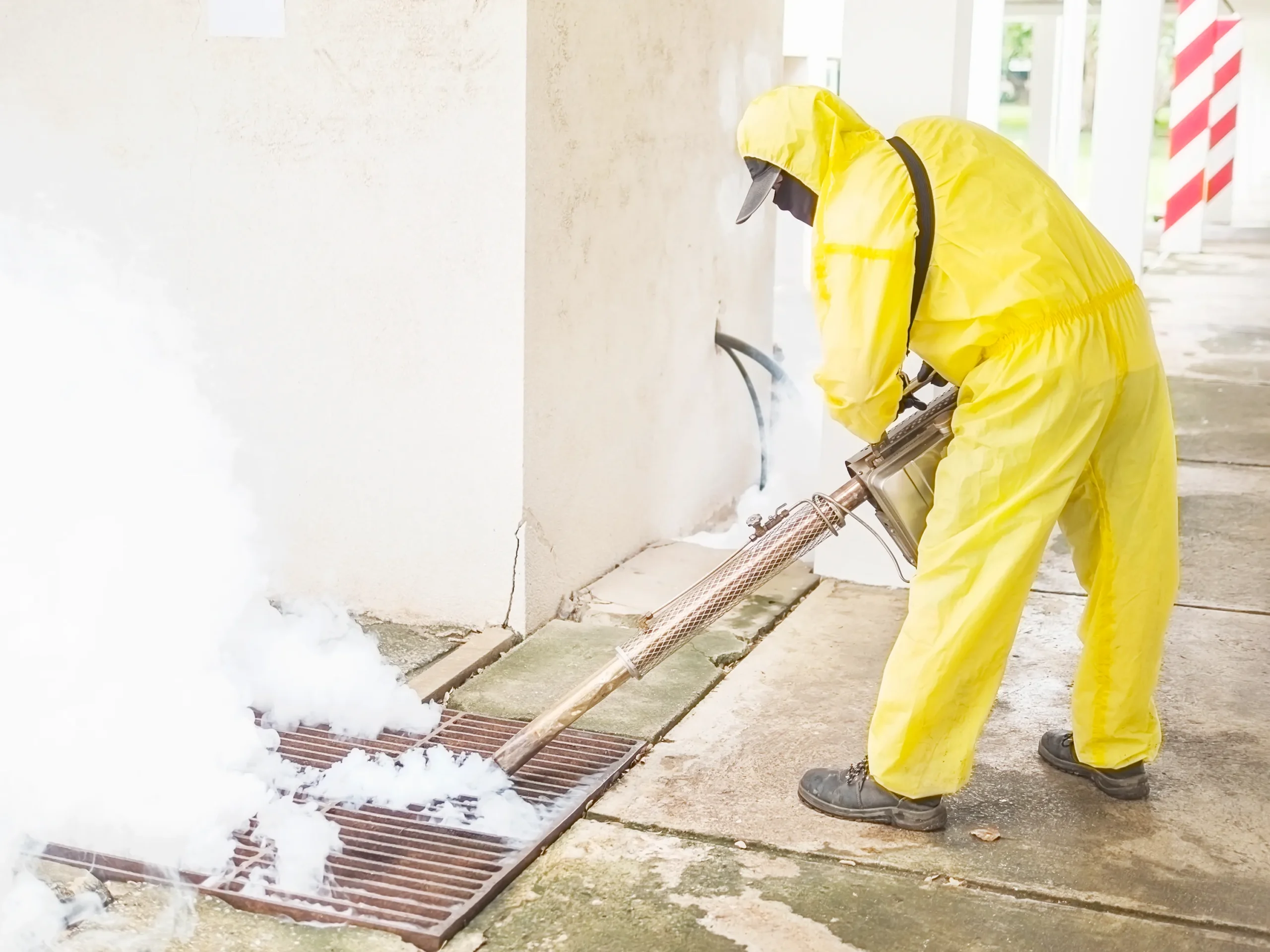
Businesses should also verify the credentials and treatment practices of the provider they hire. Claims such as Government Approved Fumigation should be supported by appropriate documentation rather than used simply as a marketing statement.
The treatment provider should also explain the products and application procedures being used, along with any preparation, access and re-entry requirements relevant to the treatment.
For commercial properties, safety is not limited to the treatment itself. It also includes proper handling of the workplace before treatment, during application and when the premises are returned to normal use.
Why Post-Treatment Monitoring Matters
Fumigation or other professional treatment should not necessarily be viewed as the final step.
After treatment, businesses should monitor the areas where pest activity was previously identified. New activity may indicate an untreated entry point, favourable conditions, movement from an adjoining area or another underlying issue.
Follow-up recommendations may include:
- Sealing structural gaps
- Improving waste management
- Repairing plumbing leaks
- Reducing storage clutter
- Improving food storage
- Maintaining drainage areas
- Monitoring high-risk zones
- Scheduling further inspection where required
This approach is particularly important for offices that have experienced recurring infestations.
Choosing the Right Pest Control Approach for Your Office
The right treatment begins with understanding the property rather than choosing a service based only on the name of the treatment.
A small office with isolated cockroach activity may require a different approach from a multi-floor corporate building with activity across kitchens, storage rooms and service areas. A warehouse-connected office may also have different pest movement patterns from a standalone commercial building.
That is why businesses looking for Fumigation Services in Karachi should consider the provider’s inspection process, treatment planning, safety procedures and ability to address the conditions contributing to the infestation.
Our Approach at Noor Pest Control Karachi
At Noor Pest Control Karachi, we approach commercial pest problems by first assessing the affected property and identifying the areas where pest activity is occurring or could be supported. We inspect high-activity locations, connected spaces and potential entry points before recommending treatment. Our team provides fumigation and pest control solutions for offices and other commercial properties across Karachi, with attention to preparation, safe application and post-treatment guidance. We also consider the specific requirements of the property rather than treating every workplace in exactly the same way. Our aim is to provide a practical treatment plan that addresses the current infestation while helping businesses reduce the conditions that can lead to recurring pest activity.
Conclusion
Pest activity can spread through an office using routes that are rarely visible during normal working hours. Kitchens, washrooms, storage rooms, waste areas, false ceilings, utility spaces and external entry points can all contribute to the movement or survival of pests.
For this reason, effective Office Fumigation service Karachi should begin with proper inspection and treatment planning. Dividing the building into relevant treatment zones helps identify where pests are active, where they may be hiding and how they could be entering or moving through the property. Businesses should also consider preparation, employee safety, sensitive equipment, treatment access, follow-up and preventive measures when selecting a commercial pest control provider. A well-planned treatment addresses more than the area where pests were first noticed. It considers the wider conditions that allow an infestation to continue.