Certified Fumigation

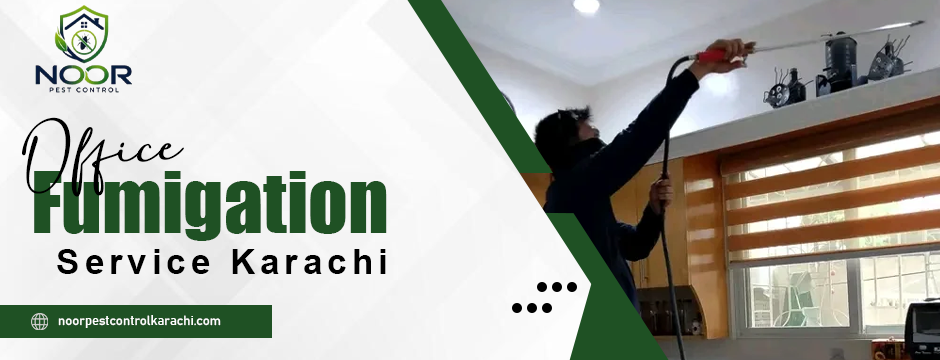
Office fumigation service in Karachi - Noor Pest Control technician treating an office ceiling
Blogs

How Pest Activity Spreads Through Offices: Treatment Zones, Hidden Areas and Fumigation Planning

Pest activity in an office rarely stays limited to the area where employees first notice it. Cockroaches can move between kitchens, washrooms, storage rooms and service areas. Rodents can travel through ceiling voids, utility routes and poorly sealed openings. Insects may also spread through shared storage spaces, waste areas and adjoining rooms. This is why treating only the location where pests are visible often produces short-term results. A proper commercial treatment starts with understanding how pests move through a building, where they hide during the day, and which areas create conditions for continued activity. For businesses considering Office Fumigation service Karachi, the treatment plan should therefore be based on the building’s layout, pest activity, access points, sanitation conditions and the areas connected to the infestation. The objective is not simply to treat visible pests, but to address the locations that allow the infestation to survive and spread. How Pest Activity Moves Through an Office Office buildings contain many connected spaces that provide shelter, food, moisture and movement routes for pests. Even when employees see pests in only one room, the source may be located elsewhere. For example, cockroach activity near an office pantry may be connected to a waste-storage area, drainage point or adjoining service room. Similarly, rodent activity in a storeroom may be associated with gaps around pipes, doors, ceilings or external walls. Common movement routes include: The larger the office, the more important it becomes to map these connected areas before treatment begins. Why Visible Pest Activity Does Not Show the Full Problem Pests generally avoid open, busy areas when people are present. They tend to remain hidden in dark, warm, damp or undisturbed locations and become more active when the workplace is quiet. This creates a common problem for office managers. A building may appear clean during working hours while pest activity continues inside concealed spaces. Visible cockroaches around a pantry, for example, may represent only a small part of the infestation. The main population could be located behind cabinets, under appliances, around drainage points or inside nearby storage areas. The same principle applies to rodents. Seeing one rat does not necessarily mean that only one animal is present. It may indicate access to food, shelter or a route into the building. For this reason, professional inspection should consider both where pests are being seen and where they could be hiding or travelling. Treatment Zone 1: Kitchens, Pantries and Food Areas Office kitchens and pantries are among the first areas that should be assessed because they provide food, water and shelter. Crumbs, food waste, leaking taps, damp surfaces, poorly stored food and waste bins can all contribute to pest activity. Appliances and cabinets can also create concealed spaces that are difficult to inspect during normal cleaning. A treatment plan for these areas should consider: The treatment should also be coordinated with the office’s cleaning and food-handling practices. Pest control in Karachi cannot provide lasting results if conditions continue to provide easy access to food and water. Treatment Zone 2: Washrooms and Plumbing Areas Washrooms deserve separate attention because plumbing systems can create routes between different parts of a building. Moisture, drainage openings, pipe penetrations and concealed gaps can support pest activity. These areas may also connect individual rooms to service spaces that employees rarely enter. During an inspection, technicians should look at: If pest activity is associated with these areas, simply treating the room where pests are visible may not address the conditions supporting the infestation. Treatment Zone 3: Storage Rooms and Archives Storage areas are often overlooked because they receive less daily foot traffic. That makes them attractive hiding places for pests. Cardboard boxes, paper products, old furniture, unused equipment and tightly packed materials can create sheltered areas where pests remain undisturbed. Office archives can present a similar problem. Stored documents and boxes may block visibility and make it difficult to identify pest activity until signs such as droppings, damaged materials or insects become noticeable. For these spaces, treatment planning should include: Storage areas should not automatically be treated in exactly the same way as occupied workspaces. The treatment approach should account for what is stored there and how the space is used. Treatment Zone 4: False Ceilings and Service Voids False ceilings can provide concealed routes between rooms and floors. Electrical installations, ventilation systems, pipes and structural openings can create additional movement paths. These spaces are particularly important when pest signs appear in multiple rooms without an obvious connection at floor level. A professional inspection may need to consider: Access to these areas should be handled carefully, particularly in offices containing electrical equipment or sensitive installations. Treatment Zone 5: Waste and Disposal Areas Waste areas can become major sources of pest activity if food waste and other organic material remain accessible. The problem may not be inside the main office at all. Pests can enter from an external waste-storage area and move toward kitchens, pantries and internal storage rooms. Treatment planning should therefore consider: Improving waste management and cleaning schedules alongside professional treatment can help reduce the conditions that attract pests. Treatment Zone 6: Electrical, Utility and Service Areas Utility rooms and service areas are often quiet and relatively undisturbed. They may contain equipment, pipework, wiring and structural gaps that provide shelter or movement routes. These areas should be assessed when there are signs of pest activity near electrical installations, utility rooms or building service routes. Treatment around equipment must be planned carefully. Technicians should identify which areas can be treated directly and which require alternative treatment methods or preparation before work begins. Treatment Zone 7: External Entry Points An office can receive a new pest population from outside even after an internal infestation has been treated. Common entry points include: This is why an office treatment plan should not stop at the interior rooms. External access points can determine whether the same problem returns. How to Divide an Office Into Treatment Zones A commercial property should be assessed as a connected environment rather
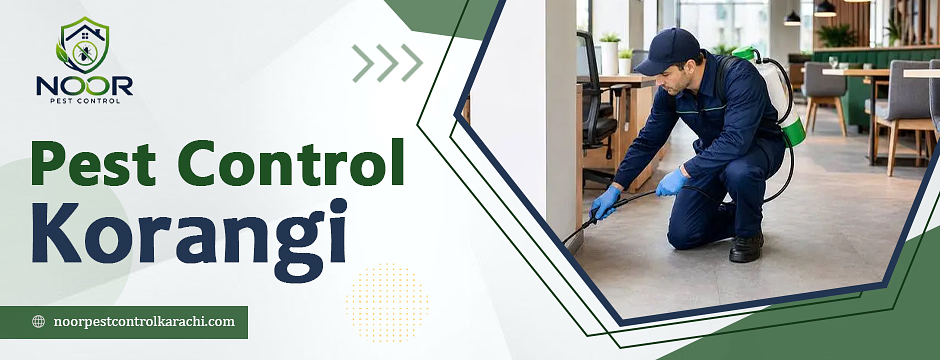
Pest Control Korangi
Blogs

Pest Control in Korangi : How Seasonal Changes Affect Pest Activity

Pests are a year-round concern for homeowners and businesses, but their behavior changes significantly with the seasons. Weather conditions such as heat, humidity, rainfall, and cooler temperatures directly influence where pests live, how they reproduce, and how actively they search for food and shelter. Understanding these seasonal patterns can help property owners take preventive measures before infestations become difficult to manage. Pest Control in Korangi becomes especially important because the area’s changing climate creates favorable conditions for different types of pests throughout the year. Why Weather Has a Direct Impact on Pest Activity Pests are highly sensitive to environmental conditions. Unlike humans, they cannot regulate their body temperature efficiently, so they rely on external conditions to survive. Changes in temperature and moisture levels often determine whether pests remain hidden, multiply rapidly, or invade homes and commercial properties. Warmer temperatures generally accelerate breeding cycles, while excessive rainfall forces insects and rodents to seek dry shelter indoors. During cooler months, many pests move inside buildings where food, warmth, and water are readily available. This seasonal movement explains why different pest problems appear at different times of the year. Understanding these patterns allows property owners to prepare in advance rather than reacting after an infestation has already developed. Pest Problems During the Summer   Summer is one of the busiest seasons for pest activity. High temperatures speed up insect metabolism, allowing many species to reproduce faster than usual. Common summer pests include: Cockroaches Mosquitoes Ants Flies Termites Standing water left after cleaning, leaking pipes, or outdoor containers becomes an ideal breeding ground for mosquitoes. Food crumbs, uncovered garbage bins, and warm kitchens attract cockroaches and ants, while termites remain active in wooden furniture and structural timber. Regular inspections, proper sanitation, and moisture control can significantly reduce the chances of infestations during the hottest months. Monsoon Season Brings New Challenges Rainfall changes pest behavior dramatically. Heavy rains often flood underground nests, forcing insects and rodents to move into residential and commercial buildings. Rodents begin searching for dry shelter, while cockroaches migrate through drainage systems into kitchens and bathrooms. Increased humidity also creates excellent conditions for mold, which attracts various insects. Scheduling Pest Control Services in Korangi before or during the rainy season helps reduce the likelihood of sudden infestations caused by changing environmental conditions. Property owners should also ensure that drains remain unclogged, roof leaks are repaired promptly, and water does not collect around the building. Increased Mosquito Activity During Humid Months Humidity plays a major role in mosquito breeding. Even small amounts of stagnant water can become breeding sites within a few days. Water may collect in: Flower pots Air conditioner trays Water tanks Buckets Construction materials Roof gutters Mosquitoes are more than just a nuisance. They are known carriers of several diseases that become more common during humid weather. Preventive measures include eliminating standing water, installing window screens, and maintaining outdoor spaces regularly. Cooler Weather Does Not Mean Fewer Pests Many people assume pest problems disappear during cooler months, but this is rarely true. Instead of remaining outdoors, pests often seek warmer indoor environments. Rodents enter buildings through small gaps around doors, windows, and utility pipes. Cockroaches hide inside kitchens, storage rooms, and bathrooms where warmth and moisture remain available. This seasonal migration makes Pest Control in Korangi an important preventive step rather than simply a response to visible pest problems. Early inspections during changing weather can prevent pests from establishing long-term colonies inside buildings. Seasonal Impact on Termite Activity Termites remain active throughout much of the year, although their behavior changes with environmental conditions. Warm weather encourages colony growth, while increased soil moisture after rainfall allows subterranean termites to travel more easily beneath buildings. Signs of termite activity may include: Hollow-sounding wooden furniture Mud tubes along walls Damaged wooden doors Bubbling paint Small piles of discarded wings Routine inspections can detect termite activity before structural damage becomes extensive. Why Prevention Is Better Than Treatment Waiting until pests become visible often means the infestation has already grown significantly. Preventive maintenance provides several advantages: Lower treatment costs Reduced property damage Better hygiene Improved indoor comfort Lower health risks Simple habits like sealing food containers, repairing plumbing leaks, cleaning drains, and disposing of garbage properly make buildings less attractive to pests throughout the year. Seasonal inspections also allow early identification of entry points that pests commonly use. Importance of Professional Fumigation Some infestations become too widespread for basic household methods to solve effectively. In such situations, professional fumigation may be recommended depending on the type and severity of the infestation. Many residential and commercial property owners choose Fumigation Services in Korangi Karachi when dealing with severe pest problems affecting large spaces or repeated infestations. Professional fumigation reaches hidden areas that are difficult to access using ordinary sprays or traps, helping reduce pest populations more comprehensively. Safe Treatment Should Always Be a Priority Modern pest management focuses not only on eliminating pests but also on protecting people, pets, and the surrounding environment. Choosing Certified & Safe Fumigation methods helps ensure that treatments follow recognized safety standards and use products that are applied responsibly by trained professionals. Property owners should always follow the recommended safety instructions before and after any treatment to achieve the best possible results while minimizing unnecessary exposure. Practical Tips for Every Season Regardless of the season, consistent maintenance remains the most effective defense against pest infestations. Some useful practices include: Keep kitchens clean after every meal. Store food in airtight containers. Repair leaking pipes immediately. Remove standing water from outdoor areas. Trim vegetation touching exterior walls. Empty garbage bins regularly. Seal cracks around windows and doors. Inspect wooden furniture periodically. Clean storage rooms and basements frequently. Schedule regular property inspections. These preventive measures reduce the availability of food, water, and shelter that pests require to survive. When Should You Schedule Seasonal Pest Inspections? Many infestations begin long before visible signs appear. Scheduling inspections before seasonal transitions allows potential problems to be identified early. Recommended inspection periods include: Before summer begins Prior

Scroll to Top
✅ Certified Pest Control Experts

Expert treatment by certified professionals. Same day service available. 100% safe chemicals, child & pet friendly.

24/7Available
100%Safe Chemicals
100%Guaranteed
🛡️ Certified & Safe
Same Day Service
🔍 Free Quote
💰 Certified Team
Guaranteed Service
🔍 Get Free Quote
Certified & Trained Team
🛡️ 100% Safe Chemicals
Same Day Service
🔍 Free Quote
Child & Pet Safe
🔄 Guaranteed Service
★★★★★
"Excellent service! Bed bugs completely gone after one treatment. Very professional team."
— Ahmed K., Gulshan-e-Iqbal