

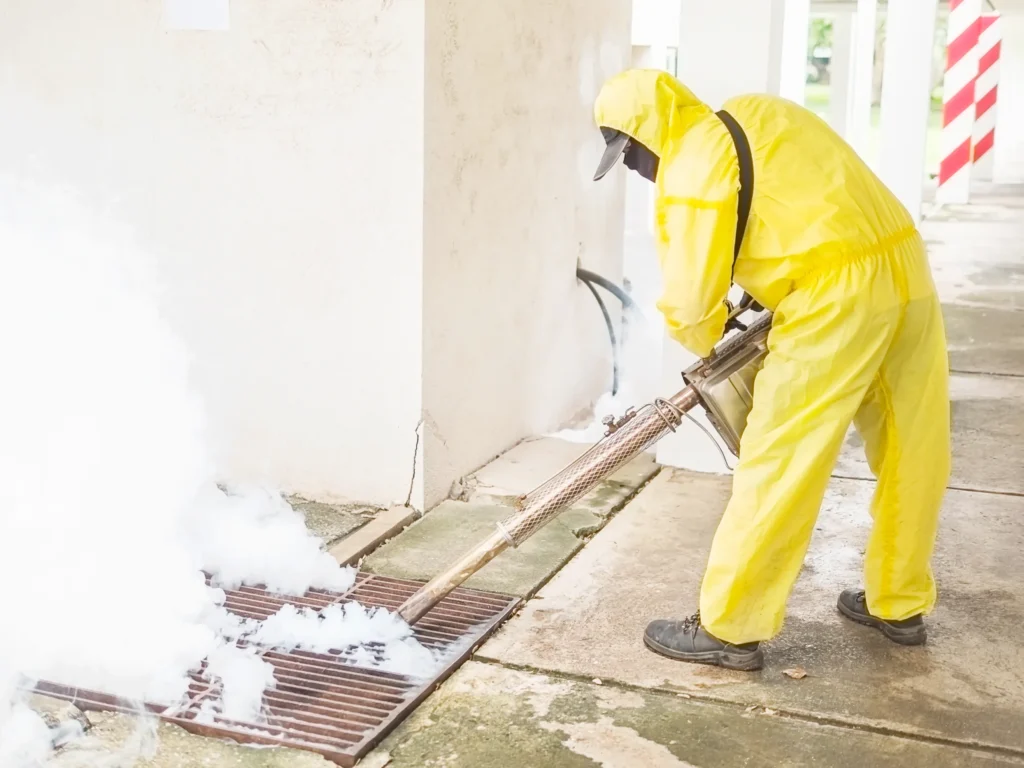
Deemak Control in Karachi: A Complete Guide for Homeowners
If you live in Karachi, deemak control isn’t a one-time job — it’s an ongoing fight against a climate and construction style that practically invites termites in. This guide walks through why Karachi homes get hit so often, the real treatment methods behind “deemak ka ilaj,” the difference between pre- and post-construction proofing, prevention steps that actually hold up, and the questions homeowners ask most. Why Deemak Is a Serious Problem in Karachi Homes (Climate, Soil & Construction) Karachi’s climate is one of the biggest reasons deemak spreads so fast across the city. The coastal humidity combined with the monsoon season keeps moist soil around building foundations for months, and that dampness is exactly what termite colonies need to survive underground. In areas like DHA, the sandy-clay soil makes it easier for termites to dig underground tunnels toward a house, while local construction patterns — timber-heavy wooden doors, door frames, and ceiling boarding — give them a steady food source the moment they reach the structure. Many abandoned plots and undeveloped properties scattered through Karachi’s newer sectors let deemak colonies establish quietly before spreading into neighboring homes. Older areas such as PECHS and Clifton add another layer of risk because ageing plumbing issues and leaking pipes create continuous moisture near the foundation — and wherever a humid climate meets poor soil composition, termites tend to move in, no matter how new or old the building looks. Chemical Barrier, Baiting, Wood Treatment and Fumigation: Understanding Deemak Ka Ilaj Deemak ka ilaj in Karachi usually starts with a chemical barrier, and the process is more technical than most homeowners expect. Technicians create a subsurface barrier through soil injection — drilling small holes at roughly every 5-foot interval around the property, going down about 18 inches, then applying a diluted solution of WHO-approved termiticide to form a protective underground barrier the colony can’t cross. Alongside this, surface treatment with residual chemical is sprayed across wooden structures, and door frame protection is added through multiple injection points at the base of every frame, since doors are usually the first thing deemak reaches. This is the same standard our termite control Karachi service is built around. For homes already showing damage, a baiting system using in-ground stations works differently — it relies on slow monitoring so the colony carries the bait back and collapses from within, often paired with direct wood treatment for badly affected furniture or beams. Some companies also offer drill and inject methods for tighter spaces, or foundation injection as part of a larger structural intervention when the infestation runs deep. Full fumigation is reserved for large-scale infestation where colony elimination has to happen fast, and any company doing this properly should walk you through chemical disclosure and the exact warranty terms before starting, not after. Pre-Construction vs Post-Construction Termite Proofing Anti-termite proofing applied before construction is widely considered the gold standard for termite prevention — it’s the most effective preventive method because the chemical barrier goes into the soil during foundation installation, before floors and walls seal everything in. Builders working on new construction projects across Karachi are increasingly asked for this step upfront, since it’s far cheaper to treat open soil than to drill through a finished floor later. For existing buildings, the same protection is still possible through a post-construction method that uses the same drilling technique around the plinth and walls — this is essentially retrofitting a barrier the house never got. It costs more and takes longer than treating raw soil, but it still delivers real structural protection and long-term protection when done properly, which is why post-construction treatment remains the most requested service for older Karachi homes that were built without any termite proofing at all. How to Prevent Deemak From Coming Back Prevention really comes down to controlling moisture and keeping wood away from soil. Fix plumbing leaks as soon as you spot them, avoid wood-to-soil contact by keeping furniture and door frames elevated off bare ground, and never stack firewood or garden debris against an outer wall — all three are easy entry points that deemak exploits within weeks. Good ventilation in crawl spaces and under-stair storage also helps with general humidity control, since dry timber is far less attractive to a colony than damp timber. Beyond that, a simple annual inspection — ideally a professional inspection done post-monsoon when soil moisture is at its highest — catches most problems before they spread. Think of it as a routine checkup: early detection during seasonal maintenance is what actually saves money, because a small patch treated early costs a fraction of full-scale repair later. If you’re not sure whether you already have an active infestation, our earlier post on 5 signs you have termites before it’s too late walks through exactly what to look for before you call anyone. Deemak Ka Ilaj: Frequently Asked Questions How long does deemak ka ilaj actually last? Most professional treatment isn’t a strict one-time solution — treatment duration depends heavily on the moisture level around your home and whether an early infestation was caught before it spread, so ask any company for their exact warranty period in writing rather than a verbal number. Before agreeing to anything, a proper site survey should always come first — this is where infestation severity gets assessed room by room, and it’s the only honest way to reach a real cost estimate instead of a guess over the phone. What if the damage is already visible? For homes with real structural damage — sagging skirting, hollow beams, damaged door frames — the application method changes, treatment takes longer, and repair cost for the wood itself needs to be budgeted separately from the pest treatment. There’s no fixed timeline that fits every house; a single-room case can sometimes be sorted in a day, while a spread infestation across multiple floors needs several visits, which is exactly why a proper survey matters more than guessing at how bad it is from the outside.